Plainfield is known for its older homes: Victorians, Colonials, Tudors and early twentieth-century houses with real wood trim, plaster walls and generous porches. Palencia is based here, at 1138 W 6th St., and many of the homes we work in were built long before modern building codes. Remodeling an older house is rewarding, but it comes with a different set of expectations than updating a newer one.
Nothing is perfectly square
Houses settle over a century. Floors slope, walls lean slightly and door openings drift out of square. New cabinets, tile and trim are made straight, so they have to be carefully fitted to the house: shimmed, scribed and leveled. This takes time, and it is one reason careful estimates for older homes are often higher than for newer ones. The payoff is new work that looks like it belongs.
Plaster walls
Many older homes still have plaster on wood or metal lath rather than drywall. Plaster is solid and quiet, and it can often be repaired rather than replaced. When walls do need to be opened, the transition between original plaster and new drywall must be handled well so the patch does not show after painting. Plan ahead for how each wall will be treated.
Lead paint and other older materials
Homes built before 1978 may contain lead-based paint, and federal rules require renovation work that disturbs painted surfaces in those homes to follow lead-safe work practices. Older homes can also contain other materials, such as certain insulation, pipe wrap or flooring, that should be identified before they are disturbed. Ask any contractor how they handle these situations before work begins. It is a sign of a careful company when they bring it up first.
Wiring and plumbing from another era
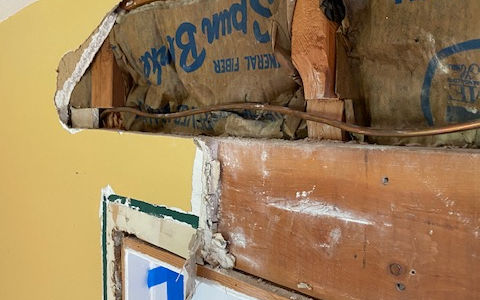
A remodel often reveals older electrical systems with fewer circuits than a modern kitchen needs, and older plumbing such as galvanized steel supply pipes that narrow with corrosion over time. Opening walls is the right moment to update what is behind them, especially in kitchens and bathrooms. Budgeting a contingency for discoveries like these is wise; our guide to setting a realistic remodeling budget explains how.
Windows and original details
Original windows, trim and doors carry much of an older home's character. When windows need replacing, choose units and trim details that suit the style of the house. Our post on full-frame versus insert window replacement helps you decide how to install them. Sometimes original trim can be carefully removed and reinstalled; sometimes it can be matched.
Check whether your house is in a historic district
Plainfield has locally designated historic districts, and exterior changes to properties within them may need review before work begins. Rules and boundaries are set by the city, so check with the City of Plainfield before planning exterior changes such as windows, siding, porches or masonry. Interior remodeling is generally a separate matter, but permits are still required for most structural, electrical and plumbing work; see our overview of NJ building permits for remodeling.
Respect the house, update the living
The best remodels of older homes keep what makes them special and quietly modernize what makes them hard to live in: a kitchen that works for today, a bathroom that does not leak, windows that close tightly. If you own an older home in Plainfield or nearby, our team is right here in town, and a free at-home consultation is the easiest way to talk through what your house needs.