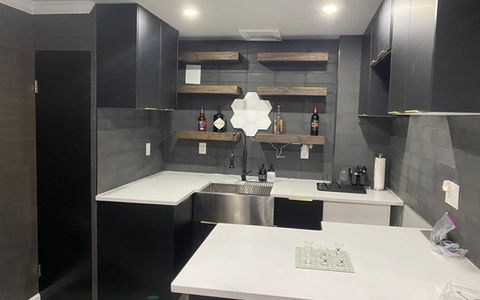
The most stressful remodels are often the ones where the budget was set last. A homeowner falls in love with a design, then discovers it costs far more than expected and has to cut back piece by piece. Setting a realistic budget early turns that around: the design grows to fit the budget instead of the budget chasing the design.
Decide what you can comfortably spend
Start with a number you are comfortable with, not the maximum you could possibly stretch to. Consider whether you will pay from savings, finance part of the project or combine both. If financing is part of the plan, our post on financing a home improvement project explains what to ask.
Separate needs from wishes
Make two lists. Needs are the problems the project must solve: the leaking shower, the kitchen with no counter space, the basement that needs to become a bedroom. Wishes are the upgrades you would love but could live without: a heated floor, a pot filler, a special tile. A clear needs list protects the core of the project if the numbers get tight, and the wishes list tells you where to add if there is room.
Know where the money goes
In kitchens and bathrooms, a large share of the budget typically goes to cabinets, countertops, tile and labor, with plumbing and electrical changes adding more when fixtures move. Keeping sinks, toilets and appliances in their current locations is one of the most effective ways to control cost, because it avoids relocating plumbing, venting and wiring. Our article on planning a kitchen layout discusses which moves are worth it.
Spend on what you touch and what you cannot see
Two categories almost always deserve the money: the things you use every day, such as faucets, drawers and hardware, and the things hidden behind finishes, such as waterproofing, wiring and plumbing. A beautiful tile installed over poor waterproofing is a bad trade. Our post on what happens behind bathroom walls explains why.
Leave room for surprises
Remodeling older homes in particular can uncover issues once walls and floors are opened: old water damage, outdated wiring or framing that needs repair. A common rule of thumb is to keep a contingency reserve, often in the range of 10 to 20 percent of the project cost, for things nobody could see beforehand. It is not a guess at what will go wrong; it is protection so a discovery does not derail the project.
Use the estimate to adjust
A detailed estimate is a planning tool. If the total is higher than your budget, look at it line by line with your contractor. Sometimes a different material, a simpler layout or phasing the project solves the gap without giving up what matters. Our guide to comparing remodeling estimates can help you read the details.
Start with a real number
The fastest way to a realistic budget is a real estimate for your house. Palencia offers free at-home consultations for kitchen remodels, bathroom remodels and every other service we provide, with a clear, detailed estimate and no pressure.